Atlantis - Stromboli
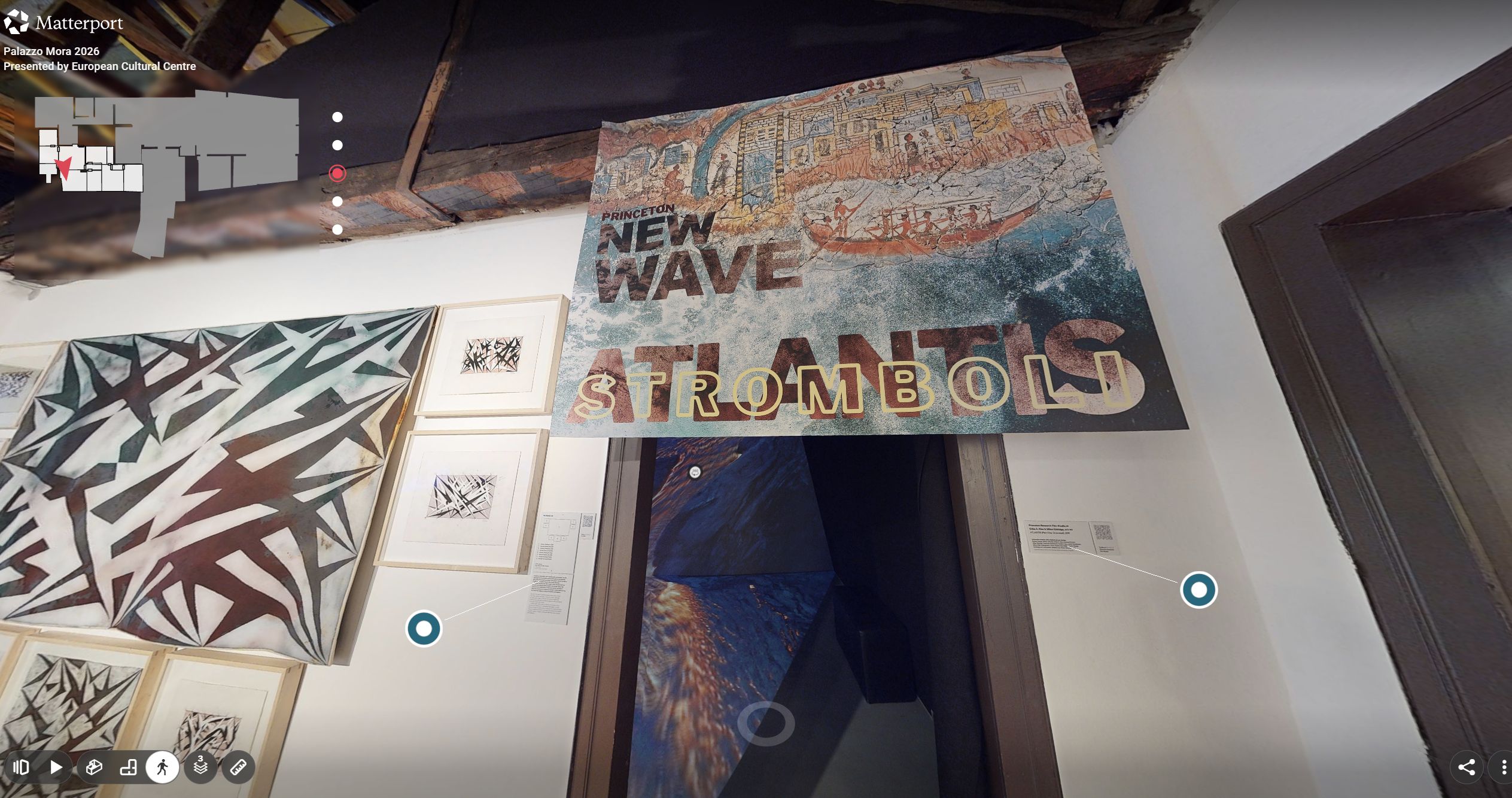
The Princeton University Research Film Studio proposes an immersive episodic film series with the working title Atlantis. Every year, the Studio will add a new immersive feature film to the series. The pilot episode, Atlantis – Stromboli is a 30-minute-long immersive film made for the 2026 Personal Structures: Confluences European Cultural Center exhibition during the Venice Art Biennale from May 8 to November 22. The immersive film is invited to the 2027 Atlàntida Mallorca Film Fest. The next immersive film in the Atlantis series is entitled Atlantis-Akrotiri.
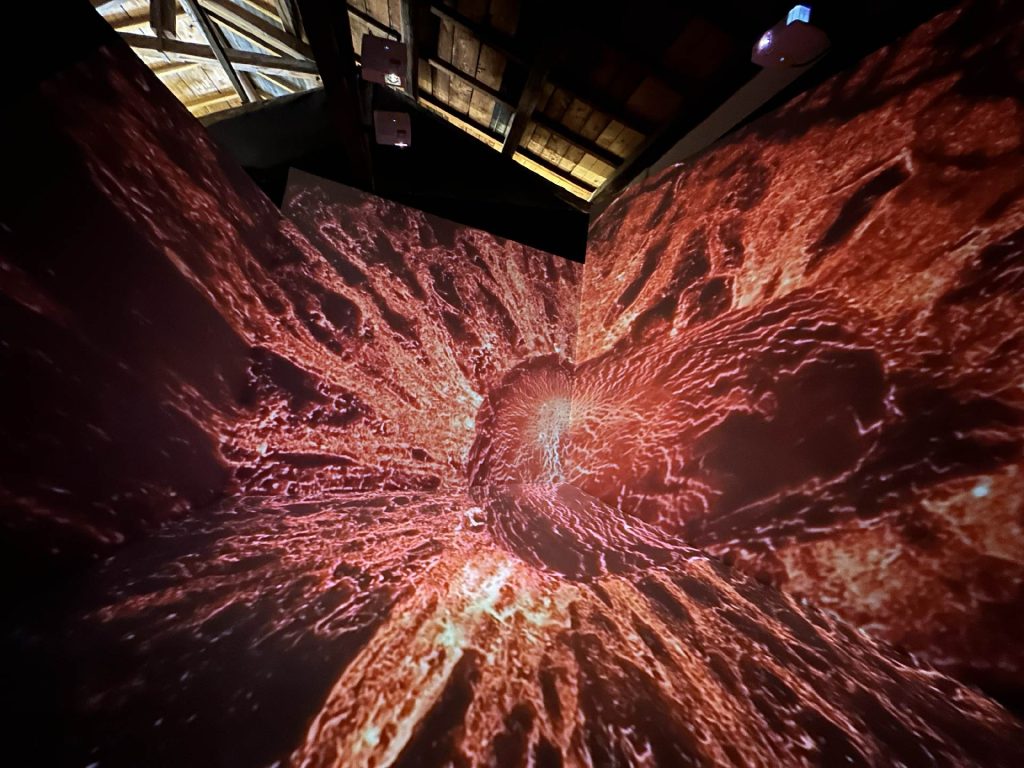
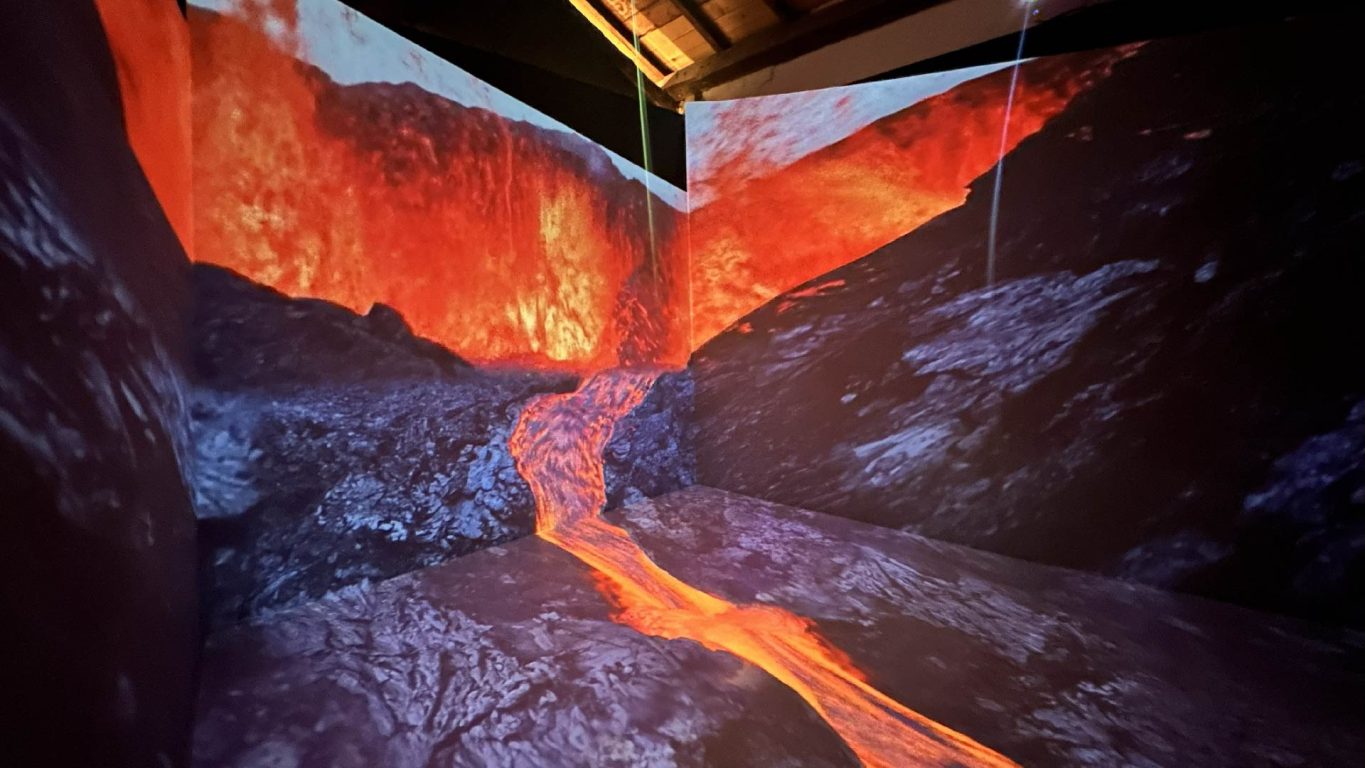
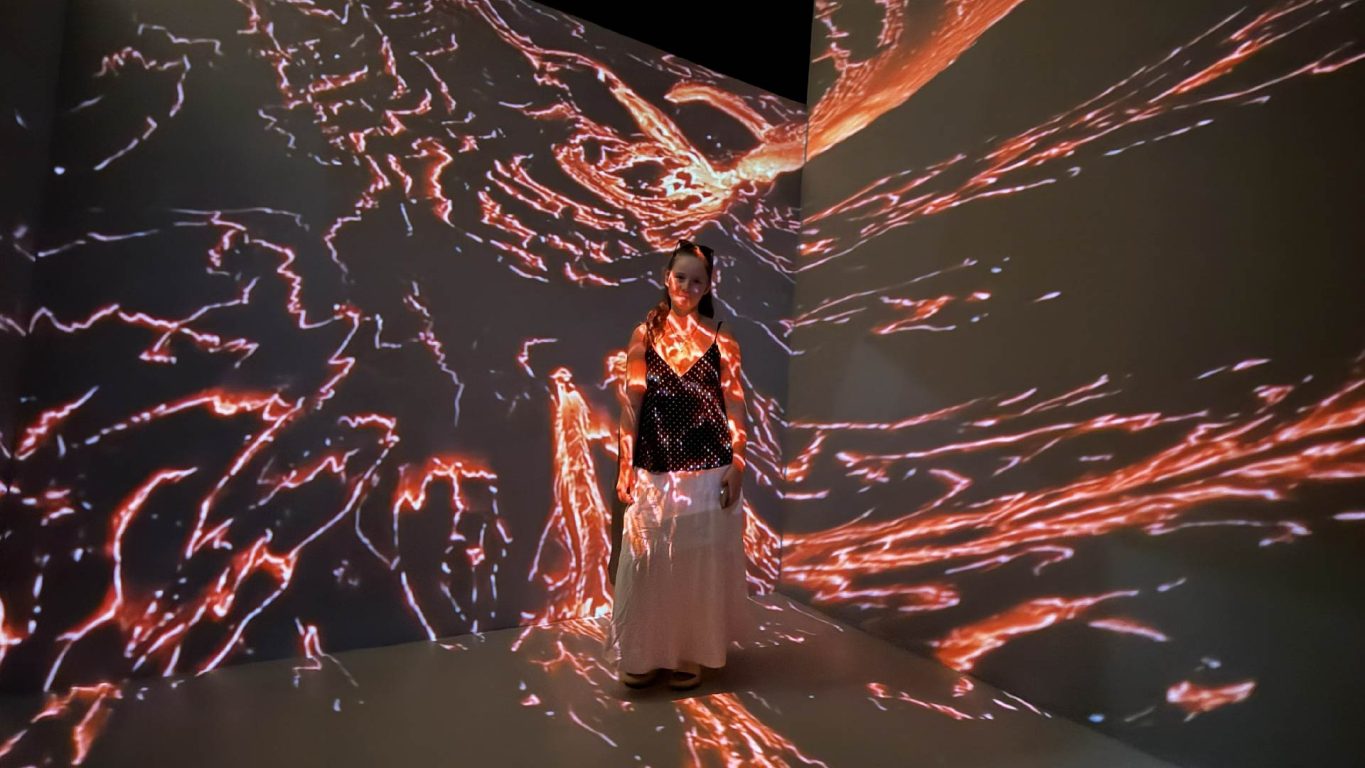
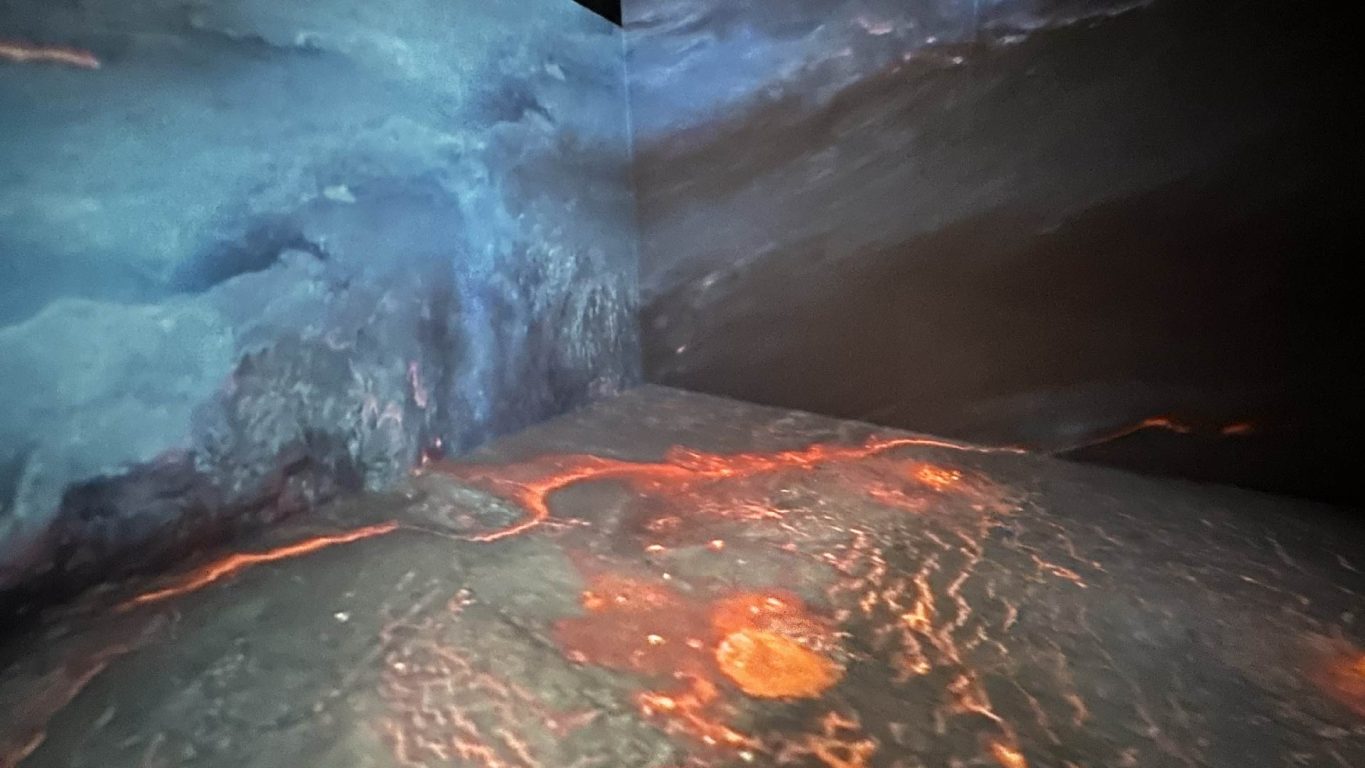
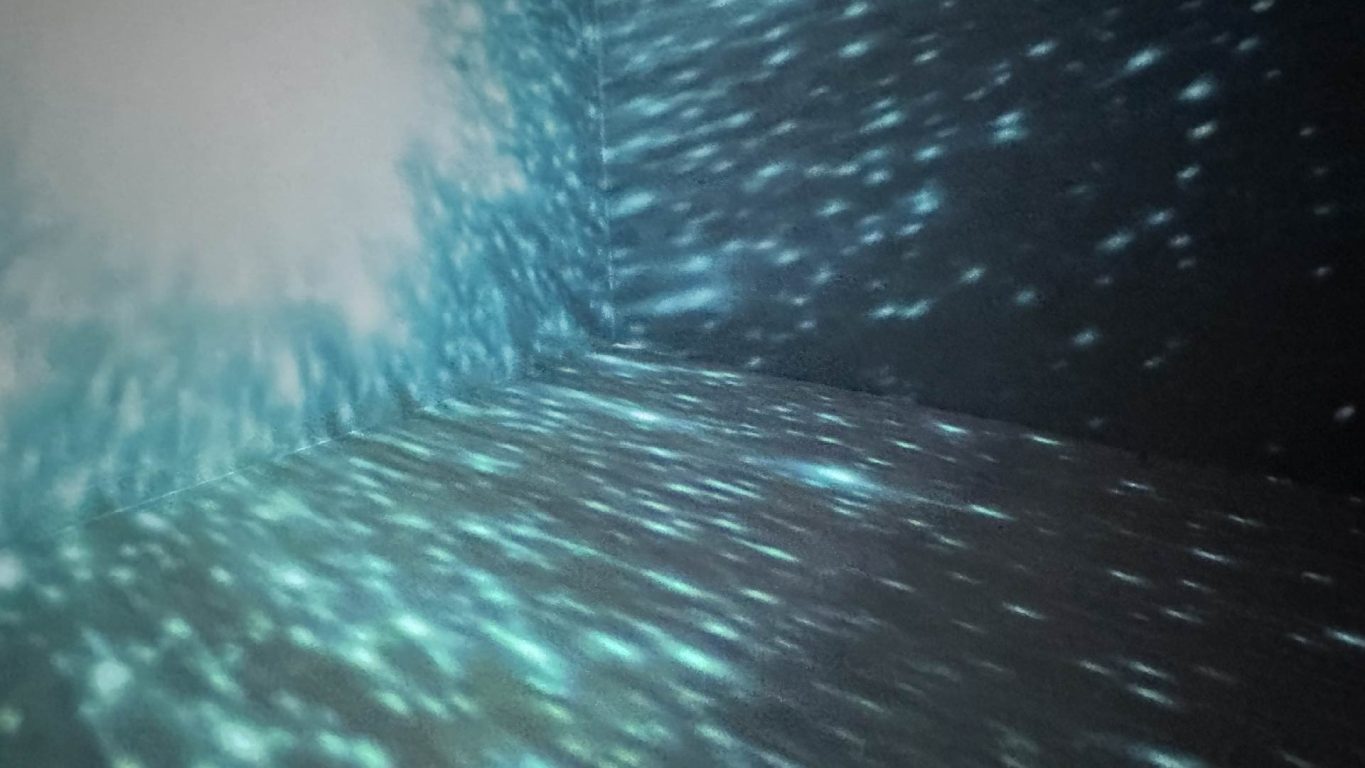
Now that digital automation regularly poses as creative art, it is time to launch an artisan counterattack. The Princeton Research Film Studio’s educational paradigm of filmmaking disrupts the march of digital automation, just like New Wave Cinema disrupted industrial filmmaking. For instance, Atlantis-Stromboli (2026) extends the poetic art of cinematic storytelling into the technology of projection. The cave-projection screen-design – inspired by the Holy Monastery of Amorgos and Buster Keaton’s dada house – is the cubist version of the caldera form – the very form which Plato describes in his story Atlantis.
The caldera form is the geological memory of a civilizational trauma, a catastrophic volcanic outbreak caused by the shift of invisible tectonic plates made both visible and hidden in the projection design. Watch the story of Atlantis-Stromboli ironically, with holding simultaneously anthropocentric and environmental or cosmic perspectives. Human life was made possible through the evolutionary adaptation to the precarious balancing of tectonic plates that shield us from cosmic magma.
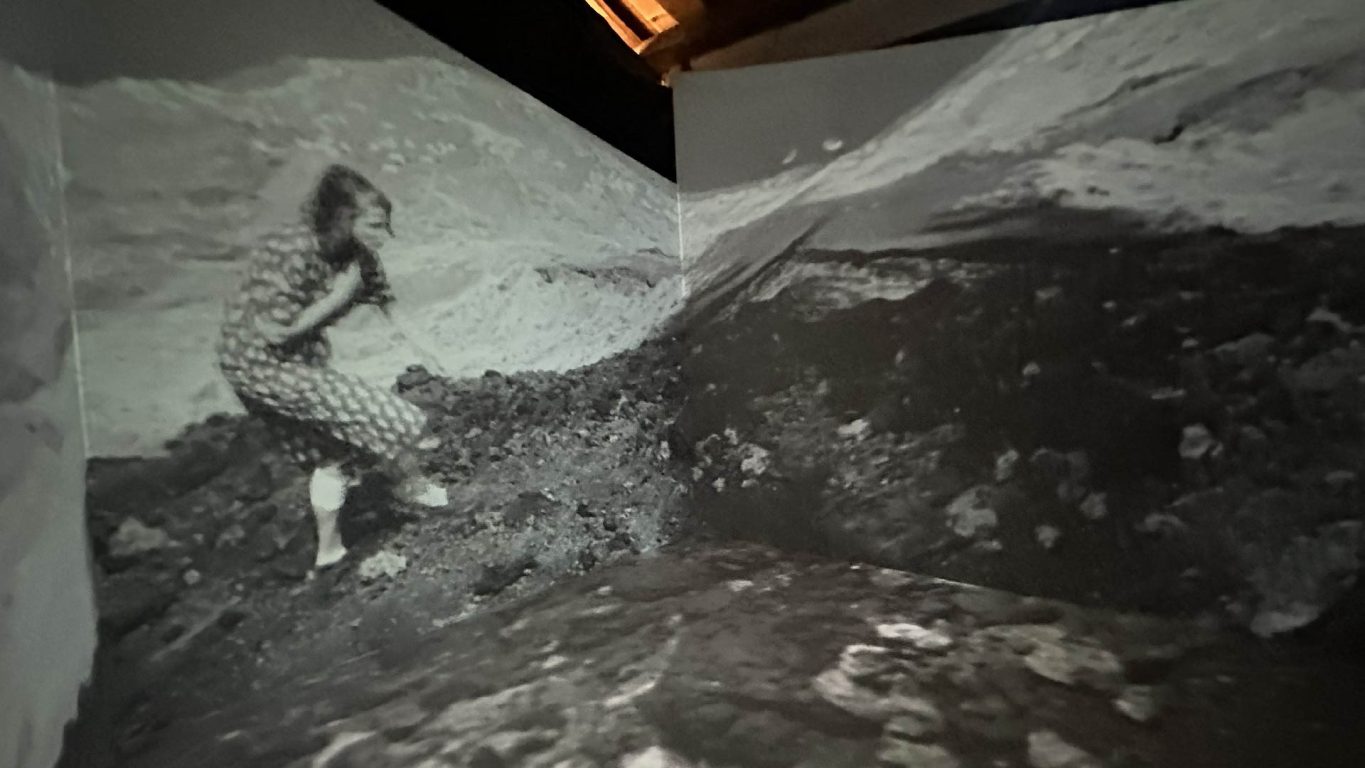
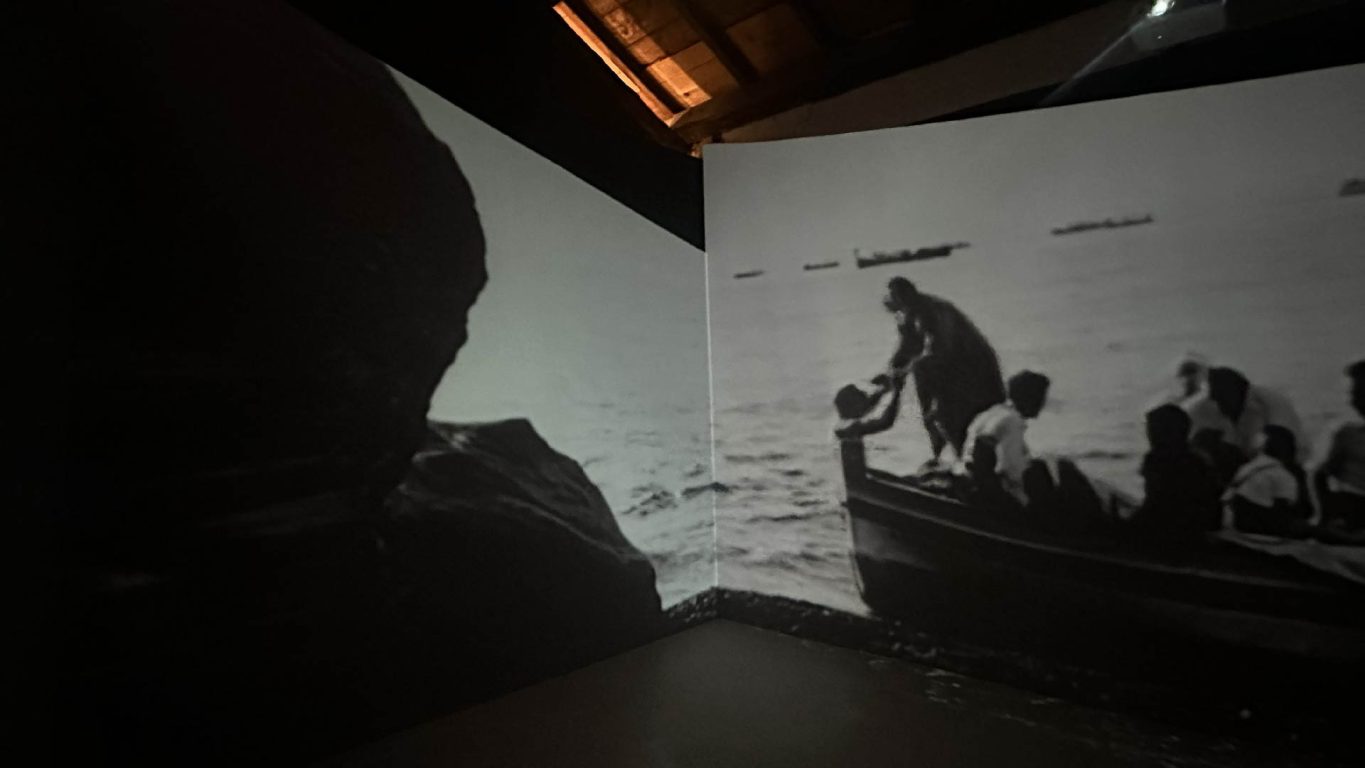
What does Atlantis mean to us today? As we face a civilizational crisis, what might we learn from a story of hubris and fall first told by Plato? The film starts with a metamorphosis of the time-travel sequence from Stanley Kubrick’s 2001 Space Odyssey (1968). The journey ends in the landscape of new beginning: the evolution of visual perception and the birth of image. The landscape of innocence (Akrotiri, Greece) transforms into the landscape of experience (Stromboli, Italy). This song of experience in the middle of the film is a multi-angular transformation of Otello Martelli’s documentary cinematography capturing the volcanic eruption in 1949 when Roberto Rossellini was filming, Stromboli, the fiction film that premiered at the 11the Venice Film Festival in 1950.
Rossellini’s Stromboli and Kubrick’s 2001 Space Odyssey are films about destruction and rebirth, but they also make an argument about how one might survive and learn from crisis through adaptation and improvisation. The latter, so archeologists tell us, characterized the Minoan settlement of Akrotiri, on the southern shore of Santorini; there citizens, highly aware of the dangers posed by the volcano, had a whole system of early warning signals and – above all – means to escape and rebuild.
The film in front of your eyes not only dramatizes these arguments by showing Akrotiri and quoting from Kubrick and Rossellini; it exemplifies how filmmaking itself – through rooting itself in the best cinematic tradition and, at the same time, also starting from scratch – can be adaptive, highly improvised, and flexible. Milan Eldridge and I have forged our own new cinematic expressions of polyangular film editing to sidestep automated technology that is constantly pushed on us by the self-declared leaders of our civilization, the big platforms. Like the residents of Akrotiri and the islanders shown in Stromboli, we must constantly improve our warning systems and be ready to push off into the sea to escape disaster – with a view to civilizational adaptation and perhaps even rebirth.
Erika A. Kiss